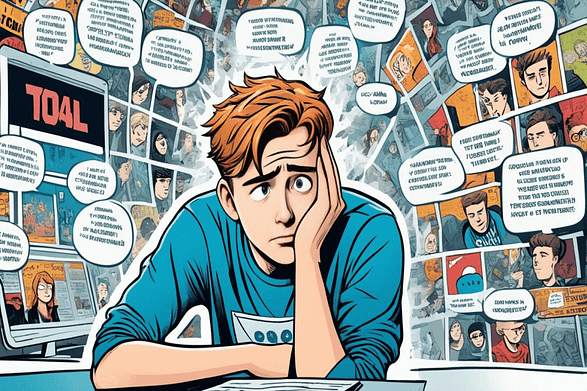

In our digital age, social media is no longer optional; it’s a fundamental part of teenagers’ lives. While it brings significant advantages, it also sparks serious concerns regarding its influence on their mental health. As parents, educators, and caregivers, we must grasp the complex connection between social media and teen well-being to offer effective guidance and support. This post explores how social media affects teens’ mental health and provides clear strategies for cultivating a healthy online environment.
The Two Sides of the Social Media Coin
Social media acts as a double-edged sword, offering both connection and a source of distress:
- Connection vs. Isolation: Platforms allow teens to connect with friends, share experiences, and develop social skills. However, spending excessive time online can compromise genuine face-to-face interaction, potentially leading to feelings of isolation and loneliness.
- The Comparison Culture Trap: The flawless “highlight reels” and carefully edited profiles teens constantly scroll through can trigger intense self-comparison. This often results in low self-esteem and anxiety as they incorrectly perceive their own lives as less successful or exciting than their peers’.
- The Shadow of Cyberbullying: The shield of internet anonymity can embolden some users to engage in cyberbullying, causing victims severe emotional distress. Harassment victims may experience anxiety, depression, or even contemplate self-harm, highlighting the serious mental toll of online abuse.
Strategies for Healthier Social Media Use
We can equip teens to manage their online presence proactively and mindfully:
- Open Communication: Foster a space for open, non-judgmental conversations about their social media use. Teens should feel safe discussing their online experiences, worries, and any negative interactions they face.
- Set Clear Boundaries: Establish reasonable limits on screen time. Designate specific tech-free times and zones, such as no phones during family meals or outings, to encourage real-world presence.
- Encourage Digital Detoxes: Promote occasional breaks from social media. Encourage teens to use this time for hobbies, exercise, or other fulfilling activities that naturally boost well-being.
- Teach Media Literacy: Equip teens with critical thinking skills to distinguish between genuine and idealized content online. Talk openly about the manufactured nature of “highlight reels” and the fact that everyone only posts the best parts of their lives.
- Promote Positive Behavior: Stress the importance of kindness and empathy online. Encourage teenagers to report cyberbullying and to stand up against it when they witness it, turning them into positive digital citizens.
- Be a Role Model: Demonstrate healthy social media habits yourself. Show your teen that you prioritize real-life relationships and self-care over seeking online validation.
Prioritizing Mental Health Awareness
Beyond managing social media, it’s vital to recognize the broader signs of mental health distress and know when to seek professional help. Be vigilant for signs such as:
- Persistent sadness or heightened irritability.
- Significant changes in sleep patterns or appetite.
- A noticeable decline in academic performance.
- Withdrawal from once-loved social activities.
- Any talk of self-harm or suicidal thoughts.
Encourage teens to reach out to a trusted adult—parent, teacher, counselor—if they experience any of these symptoms or have concerns about their mental well-being.
Social media is a powerful tool with the capacity to both enrich and seriously challenge teen mental health. By establishing open lines of communication, setting sensible boundaries, and promoting positive online habits, we can help adolescents navigate the digital landscape safely. The ultimate goal is balance, self-awareness, and building resilience to the inherent pressures of the online world.